
Amazon Bulk Liquidation Store Case Study
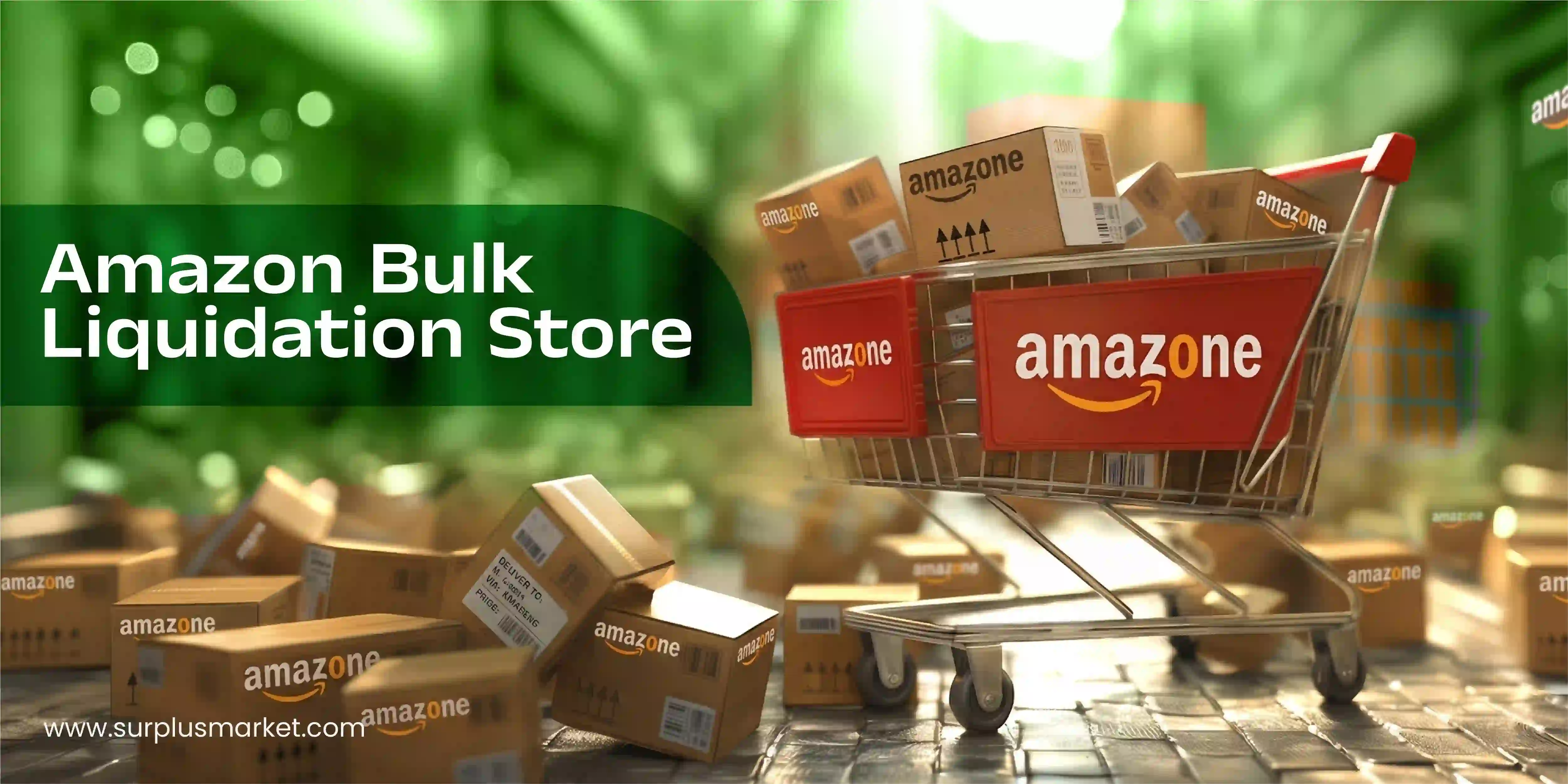
The amazon bulk liquidation store ecosystem has become one of the most discussed segments in modern resale and inventory recovery markets. Large ecommerce retailers process enormous volumes of returned products, unsold goods, and excess stock every day. Instead of keeping these products in storage for extended periods, many are redirected into liquidation channels where businesses purchase inventory in bulk and reintroduce it into secondary markets. Companies looking to source discounted inventory often explore platforms that connect them with verified surplus inventory buyers such as Surplus Market.
What Is Amazon Bulk Liquidation Store?
An amazon bulk liquidation store refers to the network of liquidation programs, auction platforms, and wholesale channels used to sell returned, excess, and unsold inventory in bulk quantities. These inventories are typically offered as pallets, truckloads, or mixed lots rather than individual products.
The system supports inventory recovery while helping resellers access discounted merchandise. Many businesses involved in bulk liquidation inventory trading use such channels to acquire products that can be refurbished, repackaged, or resold through ecommerce stores and local retail operations.
How Amazon Liquidation Works
Amazon handles millions of customer returns globally. Products that cannot be returned directly to standard inventory often enter specialized liquidation streams. According to Amazon's liquidation program, returned items, overstocked goods, and warehouse-damaged inventory may be liquidated through approved channels.
Amazon Liquidation Workflow
| Process Stage | Description |
| Customer Returns | Products returned after purchase |
| Automated Inspection | Inventory graded by condition |
| Product Sorting | Products grouped into liquidation categories |
| Bulk Aggregation | Inventory bundled into pallets |
| Liquidation Auction | Bulk buyers bid on inventory |
| Resale Market | Products resold through secondary channels |
Industry reports indicate that AI-assisted grading and warehouse automation are becoming increasingly common within reverse logistics operations, helping businesses classify inventory more efficiently. Organizations that buy & sell excess inventory & overstock items often pay close attention to these advancements, as they help move inventory through the supply chain more efficiently. According to McKinsey, AI-powered inventory grading is becoming an important tool in warehouse inspection systems, helping improve sorting accuracy and operational efficiency.
Types of Inventory Sold
Amazon liquidation channels distribute several categories of inventory depending on product condition and warehouse requirements.
Common Amazon Liquidation Inventory
| Inventory Type | Description |
| Overstock Inventory | Unsold warehouse inventory |
| Customer Returns | Open-box or returned products |
| Shelf-Pull Inventory | Products removed from shelves |
| Damaged-Box Products | Packaging damage with functional products |
| Salvage Inventory | Damaged or non-working products |
Many resellers focus on Amazon return pallets because they often contain a mix of products with varying resale potential. For specific inventory categories businesses can request a product through to locate suitable stock sources.
Amazon Warehouse vs Liquidation
Although both channels deal with returned inventory, their operating models differ considerably.
| Amazon Warehouse | Amazon Liquidation |
| Individual product sales | Bulk pallet sales |
| Consumer-focused | Reseller-focused |
| Easier returns | Mostly final sale |
| Open-box products | Mixed-condition inventory |
Amazon Warehouse generally sells inspected individual products directly to consumers. Liquidation programs focus on bulk transactions intended for businesses purchasing Amazon liquidation pallets and mixed inventory lots.
Why Amazon Uses Liquidation
Liquidation helps ecommerce companies recover value from inventory that would otherwise consume storage space and operational resources. The strategy reduces warehouse congestion, improves inventory flow, and creates additional revenue opportunities.
Amazon works with third-party liquidation marketplaces such as B-Stock, which operates official auction channels where approved buyers can bid on inventory lots. These third-party auction platforms help facilitate Amazon liquidation auctions by connecting qualified buyers with bulk inventory opportunities, as per B-Stock Amazon Liquidation Auctions.
The growing importance of these systems is reflected in market forecasts. Statista projects the global reverse logistics market to exceed $1 trillion by 2030, highlighting the expanding role of inventory recovery and resale ecosystems. Several industry studies project the global reverse logistics sector to exceed one trillion dollars within the coming decade due to rising ecommerce returns and inventory recovery requirements.
Amazon Reverse Logistics & Liquidation Ecosystem
The term reverse logistics Amazon refers to the process through which returned products move back through supply chain networks for inspection, redistribution, resale, refurbishment, or liquidation.
Reverse Logistics Flow
| Stage | Action |
| Product Return | Customer returns inventory |
| Inspection & Grading | Automated product evaluation |
| Warehouse Resale | Like-new items sold again |
| Liquidation Pipeline | Excess inventory routed to auctions |
| Secondary Market | Resellers redistribute inventory |
Global interest in reverse logistics continues to expand as sustainability goals become increasingly important across retail sectors. According to insights from the World Economic Forum, sustainability-focused retail operations are contributing to the growth of secondary resale markets and circular economy initiatives. When you buy excess inventory in Qatar you can also witness stronger demand for recovered inventory channels with growing circular economy initiatives.
Amazon Liquidation Reselling Business Model
Many entrepreneurs participate in the Amazon bulk liquidation store ecosystem through inventory resale businesses.
Liquidation Business Model
| Business Activity | Purpose |
| Bulk Inventory Purchase | Buy discounted inventory |
| Product Testing | Verify working condition |
| Refurbishment | Repair minor issues |
| Repackaging | Improve resale value |
| Resale Distribution | Sell through multiple channels |
Resellers purchase inventory through Amazon liquidation auctions, evaluate product conditions, and identify items suitable for resale. Inventory may then be listed on marketplaces, retail stores, social commerce platforms, or wholesale networks. Choosing to buy excess inventory in Saudi Arabia markets often requires similar strategies to recover value from surplus goods.

Financial Example of Amazon Liquidation Reselling
Profitability depends on inventory quality, shipping expenses, testing costs, and resale demand.
Sample Amazon Pallet Financial Model
| Cost Component | Amount |
| Winning Auction Bid | $350 |
| Freight & Logistics | $150 |
| Total Inventory Cost | $500 |
| Manifest Retail Value | $2,000 |
Revenue Recovery Example
| Revenue Metric | Amount |
| Estimated Unsellable Loss | -$300 |
| Gross Resale Revenue | $1,000 |
| Marketplace Fees & Labor | -$200 |
| Net Revenue | $800 |
| Estimated Profit | $300 |
Experienced buyers typically review manifests carefully before bidding. While some pallets generate strong returns, others may contain damaged or low-demand products. Reports from liquidation marketplaces consistently highlight the importance of evaluating condition grades before purchasing inventory.
Key Challenges in Amazon Liquidation
Despite strong opportunities, liquidation businesses face several operational challenges.
Common issues include:
- Uncertain product conditions
- Shipping and freight costs
- Inventory testing requirements
- Unsellable or damaged products
- Marketplace competition
- Storage and warehouse expenses
The recommerce sector continues to expand globally, creating new opportunities while increasing competition among buyers. The ThredUp Resale Report projects the global recommerce market to surpass $350 billion by 2027, creating significant opportunities for liquidation resellers. Growing consumer acceptance of refurbished and secondary-market products is helping strengthen long-term demand.
How Surplus Market Supports Excess Inventory Trading
Modern inventory recovery depends on reliable marketplaces that connect sellers and buyers efficiently. While seeking opportunities to buy and sell excess inventory in UAE, businesses often use digital platforms that simplify inventory discovery and transaction management. Surplus Market supports inventory circulation across industries by helping businesses list surplus products, identify buyers, and reduce unnecessary stock accumulation. The platform also supports sustainability-focused inventory management practices through initiatives highlighted under Surplus Market sustainability.
Future of Reverse Logistics & Liquidation Platforms
The future of liquidation marketplaces is closely connected to advances in automation, warehouse technology, AI-driven inspection systems, and sustainability programs.
Industry forecasts suggest continued expansion of reverse logistics and recommerce sectors as ecommerce volumes increase globally. Companies are investing heavily in technology that improves product grading, inventory visibility, and resale efficiency. Amazon liquidation channels, B2B auction networks, and secondary marketplaces are expected to play a larger role in global inventory recovery systems over the next decade.
FAQs
1. What are Amazon liquidation pallets?
Amazon liquidation pallets are lots that have a mix of products. These can be products that were returned, products that were not sold, or products that were taken off the shelves. They are sold through channels and auctions.
2. Are Amazon liquidation auctions profitable?
Amazon liquidation auctions can be profitable. Buyers need to carefully check what they are buying, the costs of getting the products, the condition of the products, and if there is a demand to sell them again.
3. What is bulk liquidation inventory?
Bulk liquidation inventory is when a lot of products are sold at prices. This happens when products are returned, when there are many products, or when products are cleared from shelves.
4. How does reverse logistics Amazon work?
The process involves product returns, inspection, grading, redistribution, resale, refurbishment, or liquidation through approved channels for inventory recovery.
5. Why is overstock inventory liquidated?
Businesses get rid of overstock inventory to get some of their money back, to save on storage costs, to free up space in their warehouses, and to manage their inventory better.